
Florida Media Wall Layouts by Ceiling Height
Ceiling height defines how a Florida media wall should be designed. The same TV and cabinetry layout will look balanced in one space and completely wrong in another. This guide breaks media wall planning into three clear ceiling height categories used in Florida homes and condos.
⸻
Category 1. Standard Ceilings. 8 to 9 ft
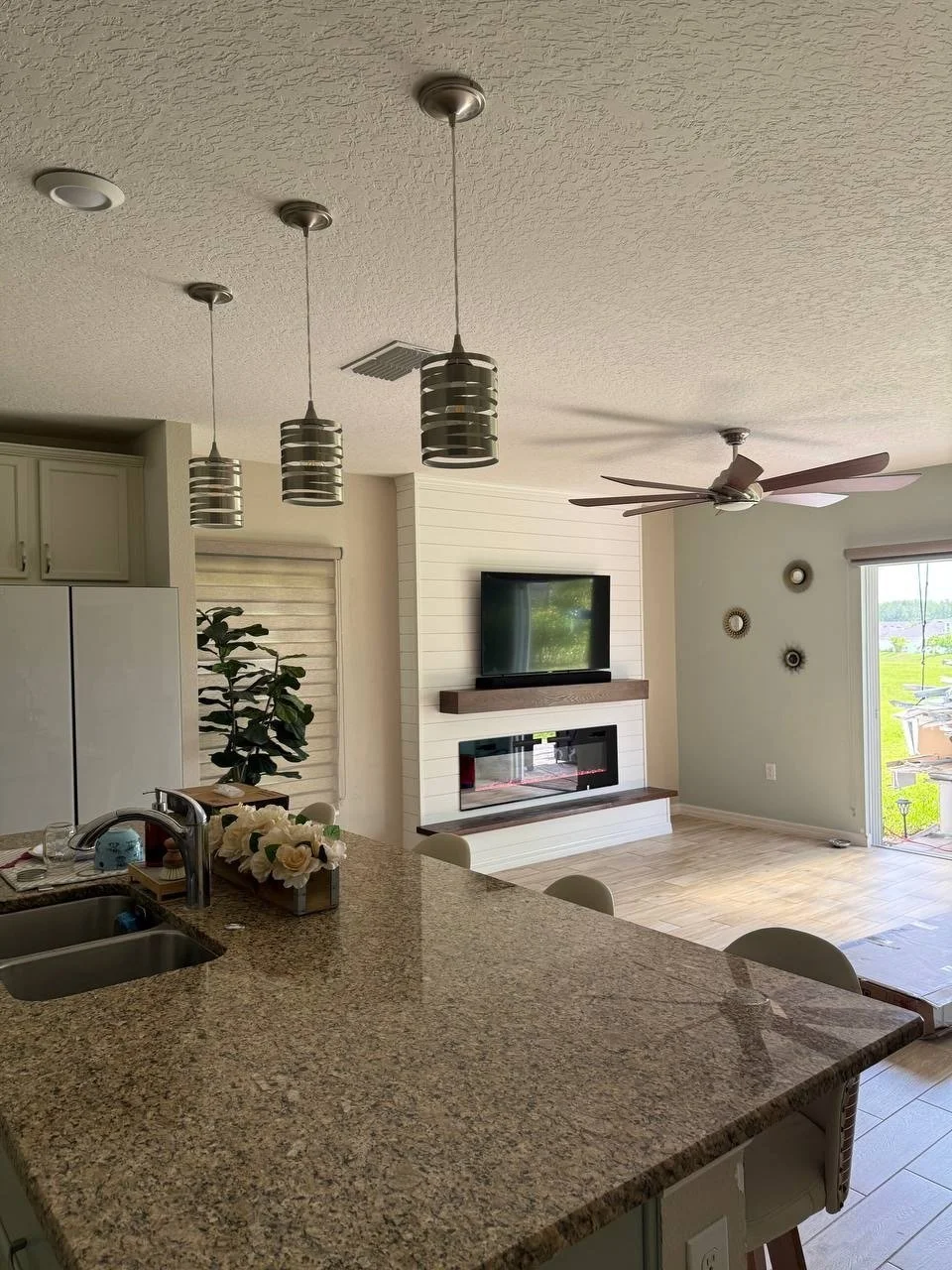
This is the most common ceiling height in Florida.
Design priority
Horizontal balance and comfort.
Best layout approach
• Mid-height or partial-height media walls
• TV centered at eye level
• Base cabinets or floating storage
• Limited vertical accents
What works best
• Horizontal panel layouts
• Floating cabinets
• Compact fireplaces
• Clean framing around the TV
What to avoid
• Full-height vertical builds
• Tall side towers
• Heavy decorative layers
Goal
Keep the wall visually wide, not tall.
Best solution
Pre-designed models with controlled proportions.
Explore layouts designed for standard ceilings:
https://tvmediawall.com/models
⸻
Category 2. High Ceilings. 10 to 12 ft
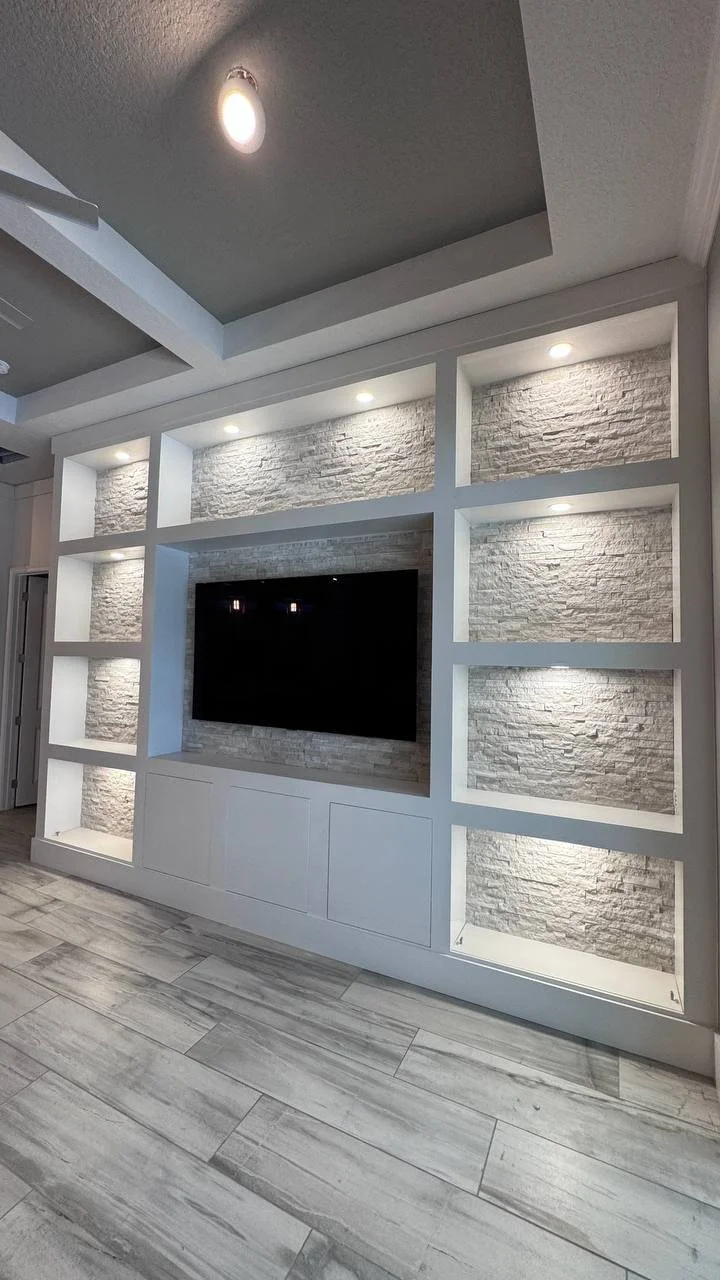
These ceilings offer more flexibility but require structure.
Design priority
Vertical balance without excess mass.
Best layout approach
• Floor-to-ceiling builds with clear zoning
• TV zone centered within the full height
• Upper decorative or accent zone
• Integrated storage below
What works best
• Full-height media walls with calm finishes
• Upper panels or slat accents
• Framed TV sections
• Linear electric fireplaces
What to avoid
• Leaving large empty wall areas
• Oversized decorative features
• Random shelf placement
Goal
Use the height intentionally without overwhelming the space.
Best solution
Pre-designed models built for tall ceilings.
See models designed for high ceilings:
https://tvmediawall.com/models
⸻
Category 3. Extra-Tall Ceilings. 14 to 20 ft
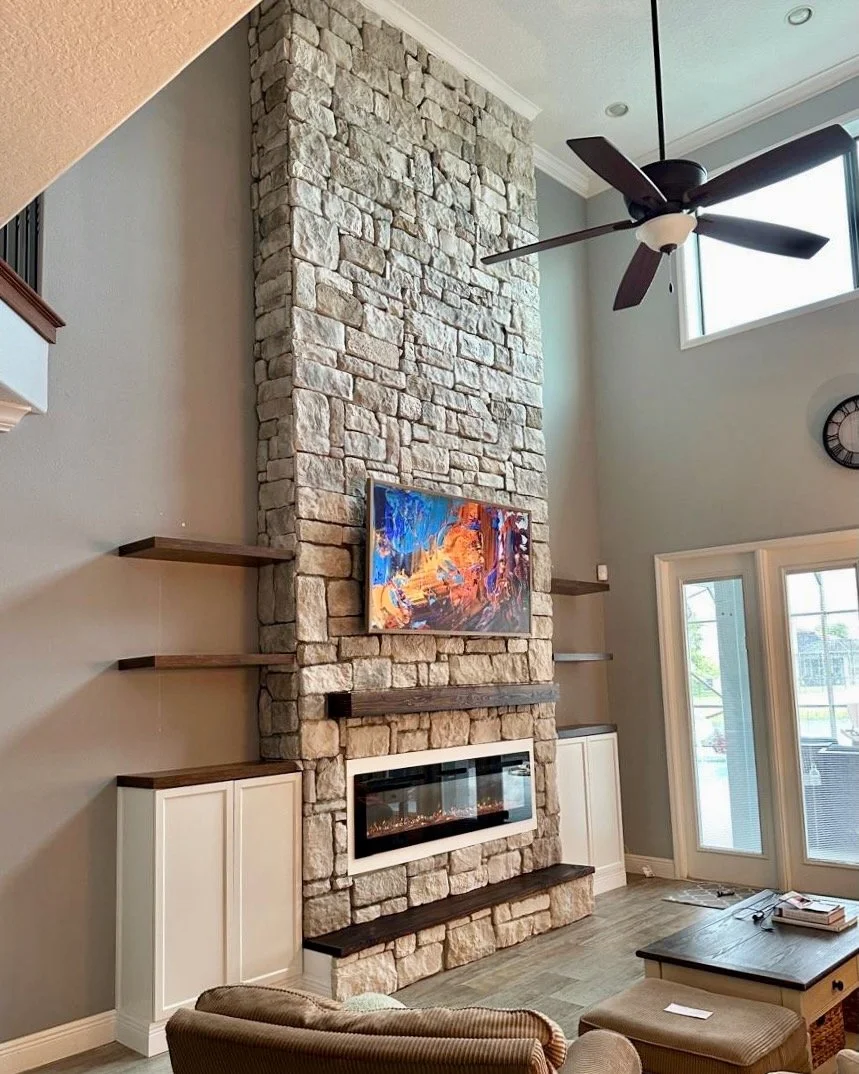
These ceilings are common in luxury homes, atriums, and great rooms.
Design priority
Architectural scale and vertical control.
Best layout approach
• Multi-zone vertical composition
• Strong central media wall core
• Secondary architectural framing
• Visual breaks across height
What works best
• Tall built-in entertainment centers
• Vertical panel systems
• Symmetrical framing
• Large-format fireplaces
What to avoid
• Small TV-only builds
• Floating elements without structure
• Empty vertical wall spans
Goal
Turn the media wall into an architectural feature, not furniture.
Best solution
Structured, pre-designed systems adapted for extreme height.
Review models that scale to large spaces:
https://tvmediawall.com/models
⸻
Why Ceiling Height Should Be the First Decision
Choosing a media wall before understanding ceiling height leads to poor proportions.
Ceiling height affects:
• TV placement
• Cabinet scale
• Fireplace size
• Visual balance
• Overall cost
Correct height planning prevents redesigns later.
⸻
Why Pre-Designed Models Work Across All Heights
Pre-designed media wall models already account for proportions.
They define:
• Vertical zoning
• Cabinet heights
• TV positioning
• Decorative limits
This removes guesswork and reduces mistakes.
Browse Florida media wall models by layout type:
https://tvmediawall.com/models
⸻
Common Mistakes to Avoid
• Using the same design for all ceiling heights
• Leaving tall walls empty
• Overbuilding standard-height spaces
• Ignoring vertical balance
Good media walls respect scale.