
Modular Media Wall Models for Florida Homes: Pros and Limits
Introduction
Modular media wall models attract Florida homeowners seeking flexibility and faster decisions. These systems use repeatable cabinet and panel units to create a media wall composition. This guide explains where modular models work well, where they fall short, and how to decide between modular systems and full built-in entertainment centers.

What Modular Media Wall Models Are
A modular media wall uses standardized components.
Typical elements
• Base cabinets in fixed widths
• Vertical cabinet modules
• TV mounting panel
• Optional shelves or niches
Modules connect to form a larger system. Structure stays simple.
Why Modular Models Appeal in Florida
Florida homes often favor clean, efficient solutions.
Key advantages
• Faster planning
• Predictable scope
• Easier adjustments
• Controlled budget
Modular systems reduce decision fatigue.
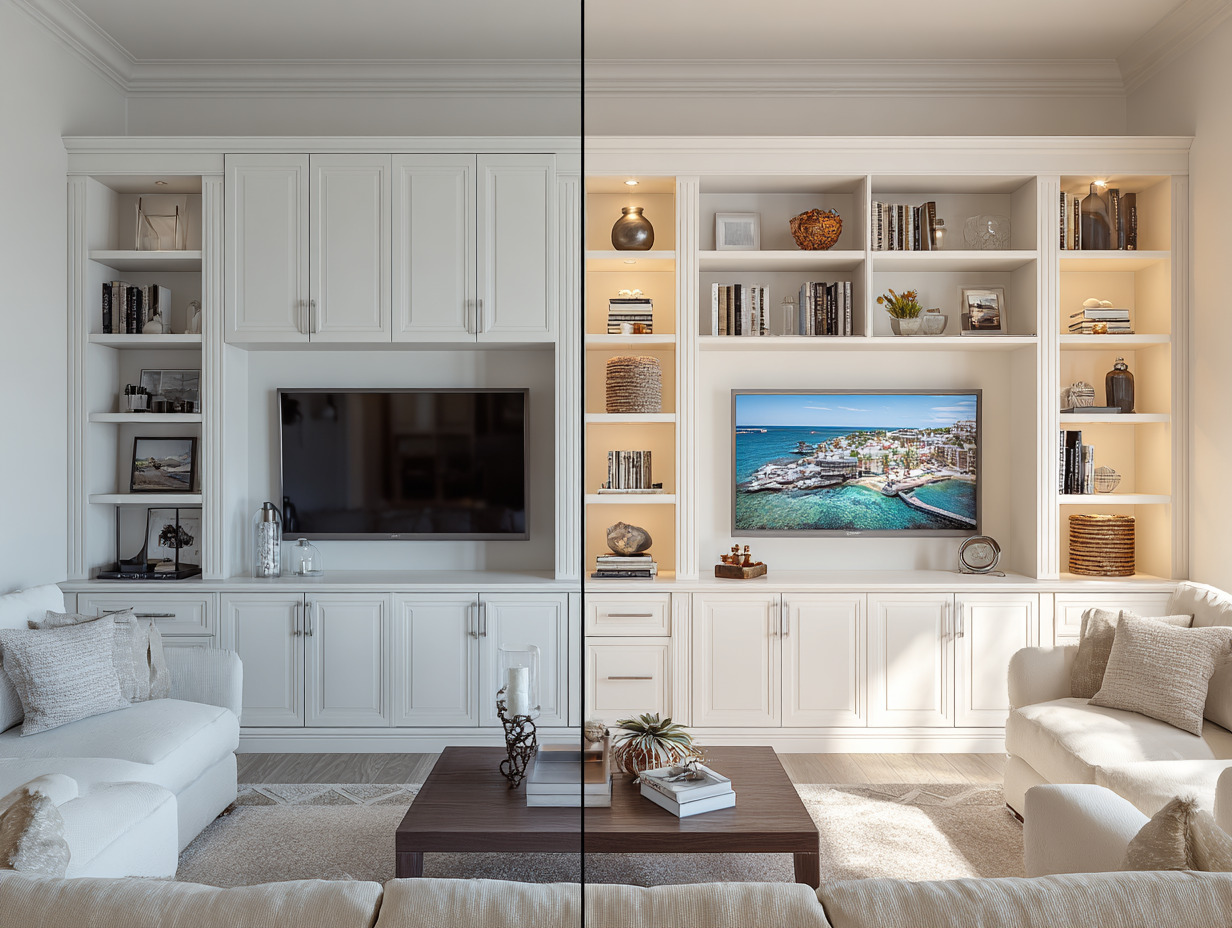
Where Modular Media Walls Work Best
Modular models perform best in specific conditions.
Ideal use cases
• Condos and townhomes
• Standard 8–9 ft ceilings
• Medium-width walls
• TV-only layouts
These environments benefit from simplicity.
Explore modular-compatible layouts here:
https://tvmediawall.com/models
Advantages of Modular Media Wall Models
Speed
Modules shorten planning and approval time.
Flexibility
Cabinet count adjusts to wall width.
Budget control
Standardized components limit cost escalation.
Clean appearance
Straight lines and symmetry dominate.
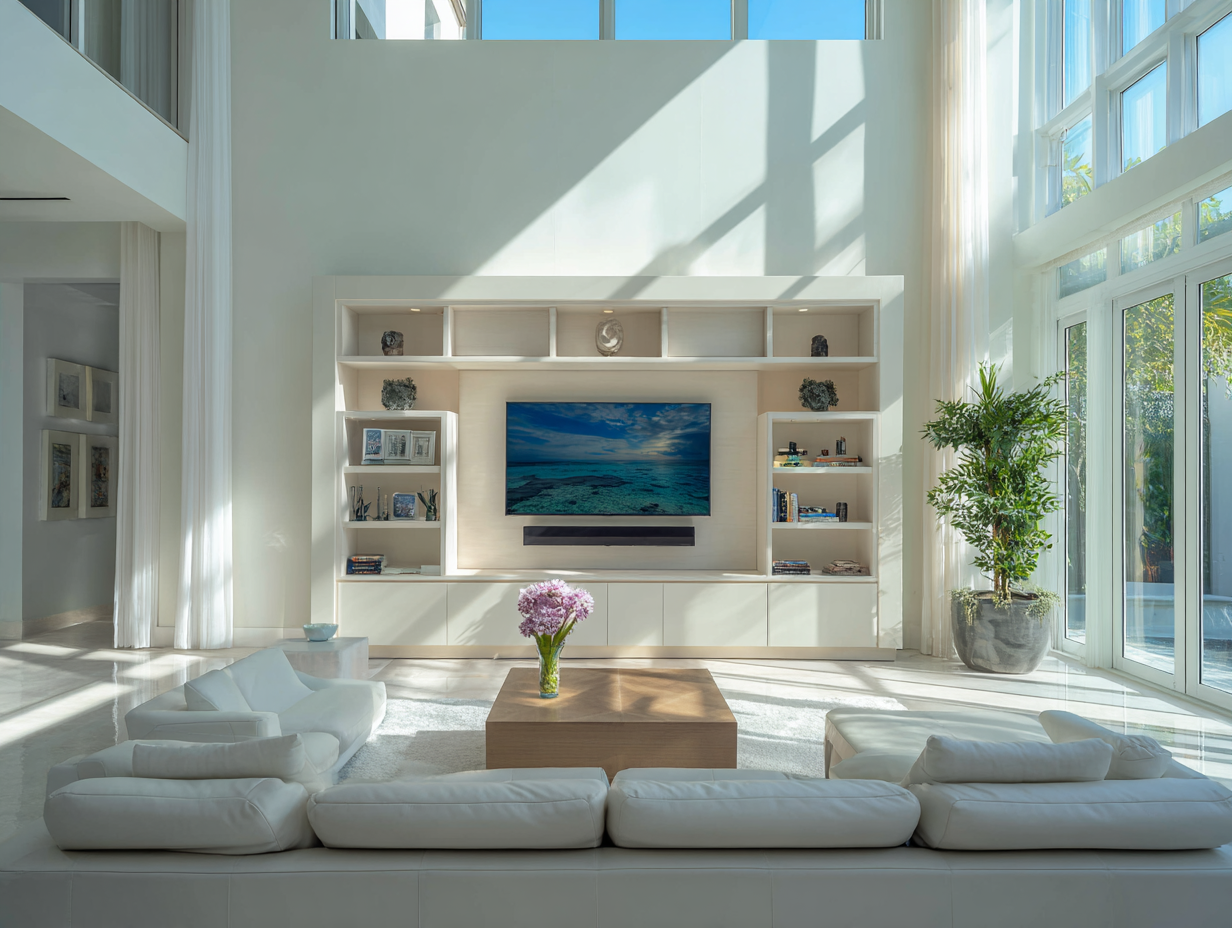
Limits of Modular Media Wall Models
Vertical scale
Modules struggle with ceilings above 10–12 ft.
Fireplace integration
Limited flexibility for large or custom fireplaces.
Architectural presence
Modular systems read as furniture, not structure.
Customization range
Finish changes are possible. Structural changes are limited.
Modular Models vs Built-In Entertainment Centers
Modular systems
• Best for standard-height spaces
• Faster planning
• Lower structural impact
Built-in centers
• Scale to tall ceilings
• Support fireplaces
• Provide architectural framing
• Offer deeper storage planning
Choice depends on room scale and goals.
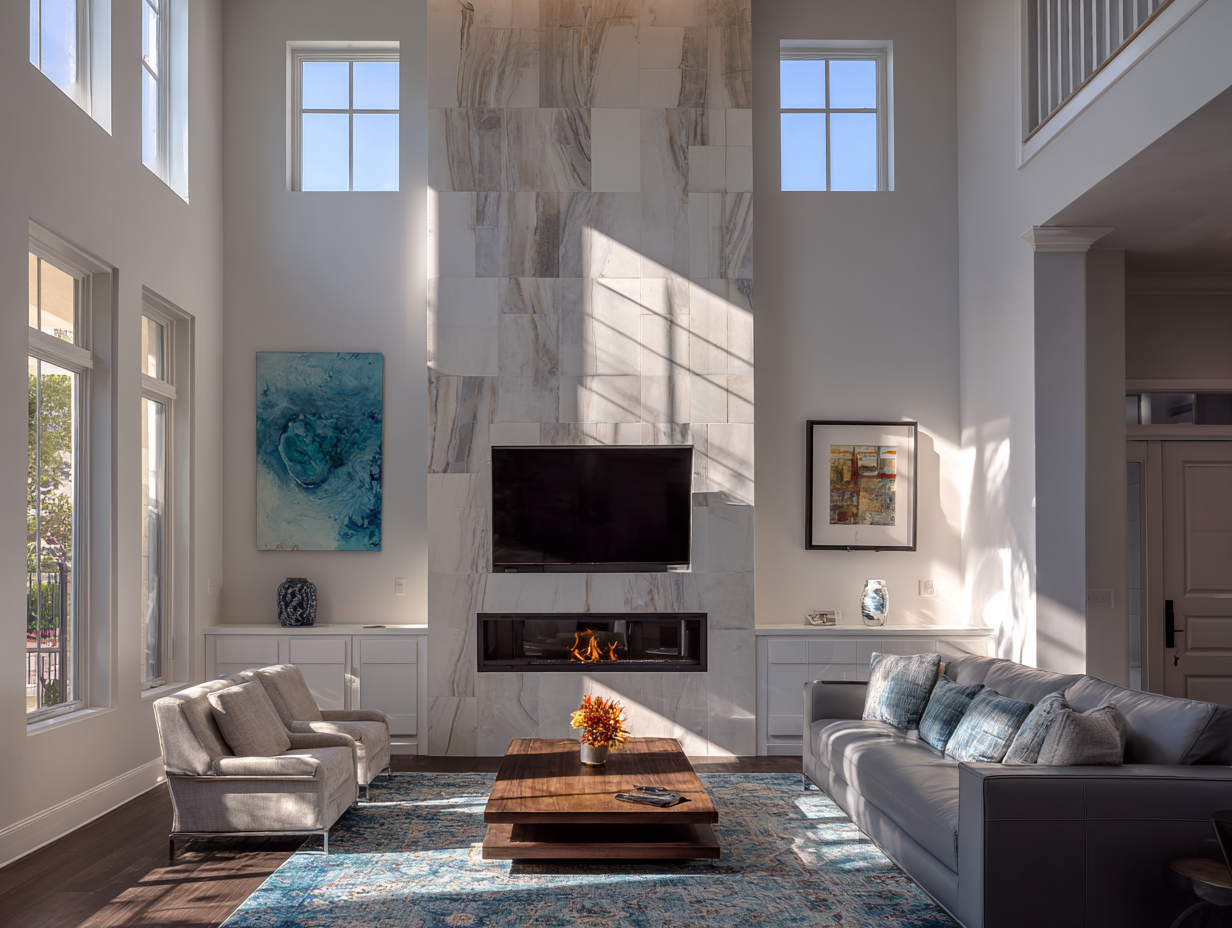
How to Decide Between Modular and Built-In
Ask these questions.
• Is the ceiling height standard or tall
• Is a fireplace required
• Does the wall need architectural presence
• Is storage minimal or extensive
If two or more answers point toward structure, built-in models perform better.
Why Models Still Matter With Modular Systems
Even modular systems need proportion control.
Models define
• TV placement
• Cabinet rhythm
• Spacing between elements
This prevents unbalanced results.
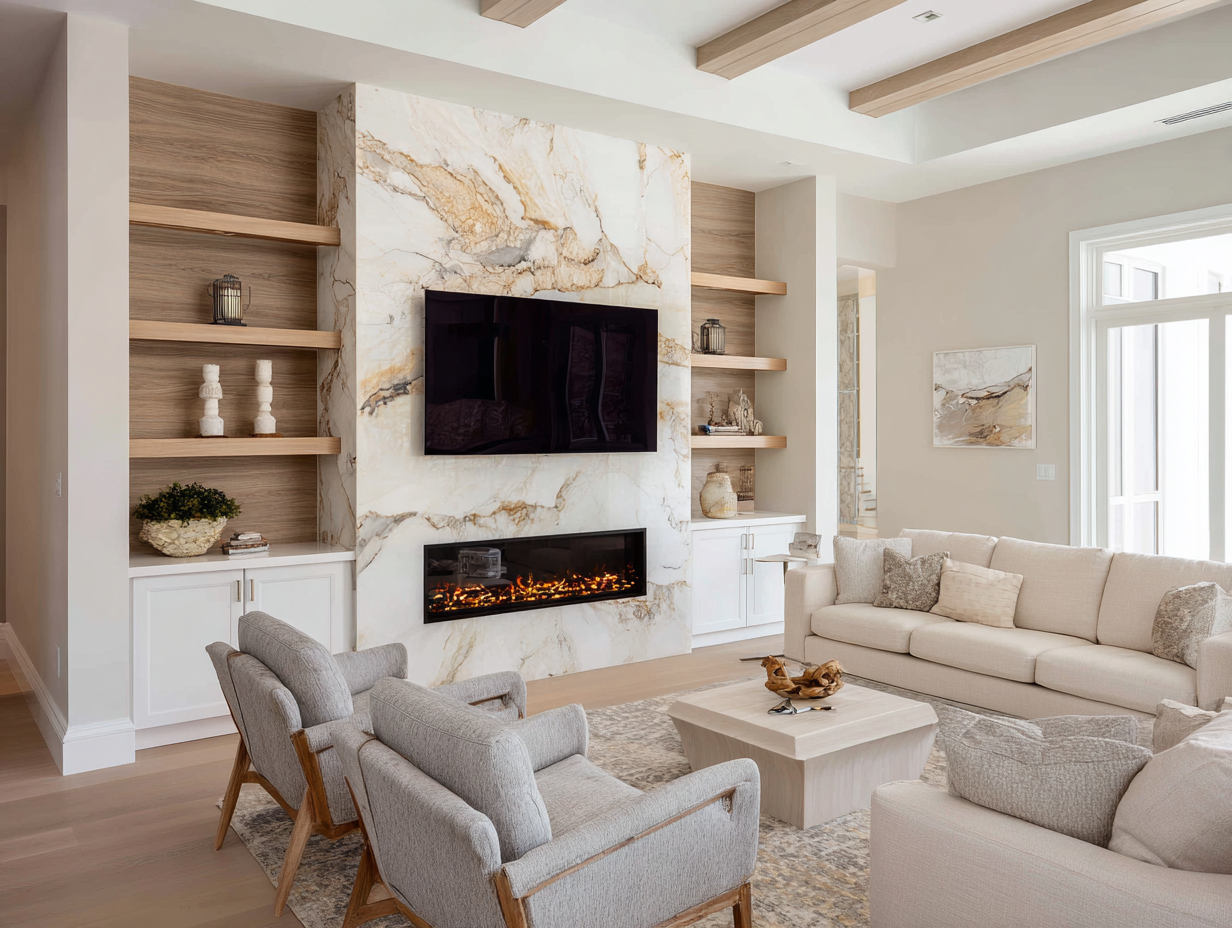
Where to Compare Modular and Built-In Models
Florida media wall models are organized by structure type here:
https://tvmediawall.com/models
Each listing clarifies whether the system is modular or architectural.
Common Mistakes With Modular Media Walls
• Using modular systems in extra-tall rooms
• Forcing fireplaces into modular layouts
• Ignoring ceiling height
• Overextending cabinet runs
Modular systems work when used within limits.